
 By Casheza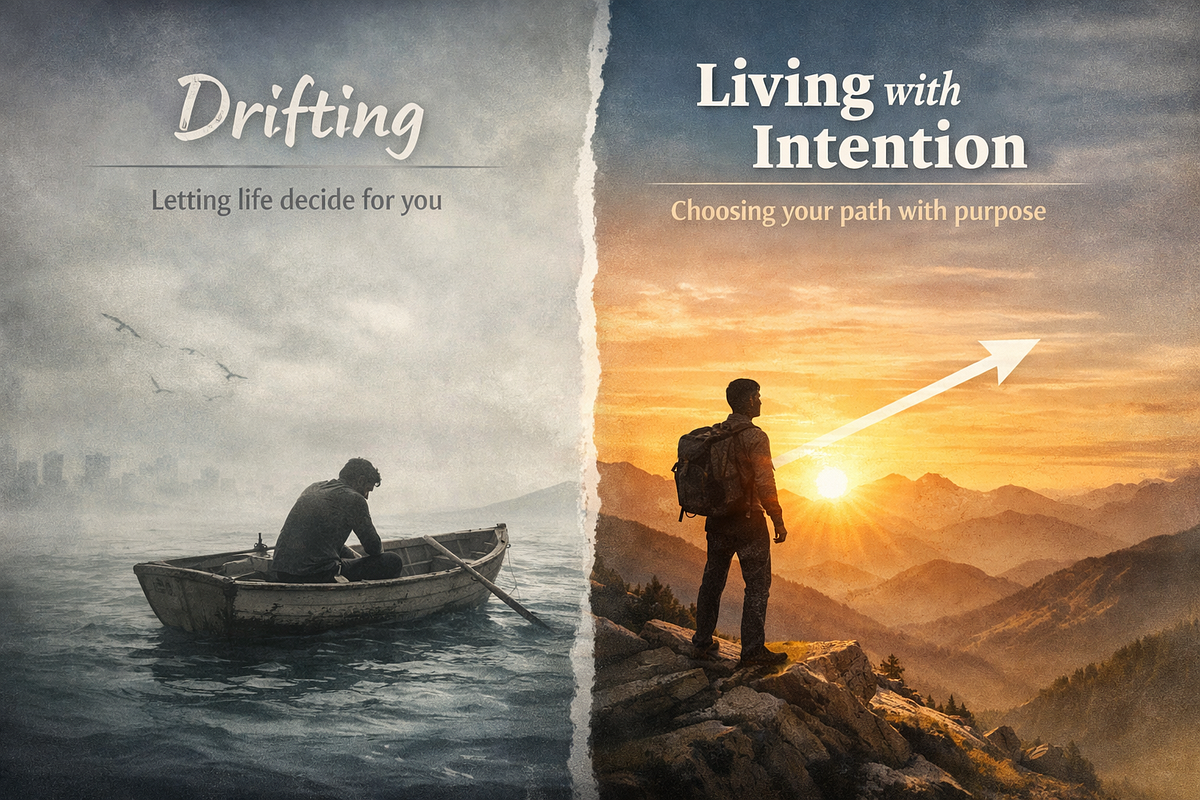
Life in 2026 moves faster than ever. From digital technology and busy work schedules to endless social media updates, there is always something demanding our attention. With so much happening every day, many people are starting to question whether they are spending their time and energy on things that truly matter.
This is where intentional living comes in. Instead of simply following routines or going along with what everyone else is doing, people are becoming more thoughtful about their everyday choices. From how they spend money to how they manage their time, intentional living encourages a more meaningful and balanced way of life.
What Is Intentional Living?
Intentional living means making choices with a clear sense of purpose. It does not require someone to change their entire lifestyle overnight or follow a strict set of rules. Rather, it is about understanding what matters to you and making everyday decisions that reflect those priorities.
For one person, intentional living might mean spending less time on their phone. For another, it could involve choosing meaningful experiences, building healthier routines, or creating more time for family. There is no single way to practice it.
In 2026, this approach is becoming part of broader conversations about personal well-being, mindful consumption, and how people want to spend their limited time.
Moving Away From the Always-Busy Lifestyle
For years, being busy was often seen as a sign of success. Packed schedules, long working hours, and constant productivity became normal for many people. However, more individuals are beginning to recognize that staying busy does not always mean living well.
Intentional living encourages people to look at their daily schedules and decide what deserves their attention. Instead of filling every free moment with work or activities, they may choose to slow down, rest, or focus on something they genuinely enjoy.
This does not mean people are abandoning their goals. It simply means they are exploring ways to make room for both achievement and personal well-being.
Making More Thoughtful Purchasing Decisions
The way people shop is another area where intentional living is making an impact. With online shopping, targeted advertisements, and constant product launches, it is easy to buy things without giving much thought to whether they are actually needed.
In 2026, mindful purchasing is an important part of the conversation around intentional lifestyles. Some consumers are taking more time to consider product quality, long-term usefulness, personal budgets, and the impact of their purchases.
Rather than buying something just because it is trending, they may ask themselves a few simple questions:
- Do I really need this item?
- Will I use it regularly?
- Does it fit my budget and lifestyle?
- Is there a practical reason to choose it?
These questions can help people make more deliberate decisions without turning shopping into a stressful experience.
Creating Healthier Relationships With Technology
Technology plays a major role in everyday life. Smartphones, social platforms, streaming services, and AI-powered tools make many tasks easier, but they can also take up a lot of our attention.
Intentional living encourages people to think about how they use technology instead of allowing digital habits to control their entire day. This might include turning off unnecessary notifications, taking breaks from social media, or keeping devices away during meals.
The goal is not to avoid technology completely. It is to use digital tools in ways that support personal goals, relationships, and daily responsibilities.
A few minutes away from a screen can sometimes make a difference in how present and focused a person feels.
Prioritizing Experiences Over Constant Consumption
Another noticeable part of intentional living is the way people think about happiness and fulfillment. While material possessions can be useful and enjoyable, many people also value experiences that create lasting memories.
Spending time with loved ones, exploring a new place, learning a skill, or enjoying a quiet afternoon can bring meaning to everyday life. These activities do not always require expensive plans or major lifestyle changes.
Intentional living is about recognizing that a fulfilling life can include simple moments. A home-cooked meal, a walk outside, or a meaningful conversation can be just as valuable as a carefully planned event.
The important thing is choosing experiences that align with your interests and personal priorities.
Building Sustainable Everyday Habits
Intentional choices also connect with the growing interest in sustainability. People may be thinking more carefully about how they use resources, manage household waste, and choose everyday products.
Simple habits such as reusing items, reducing unnecessary purchases, planning meals, and choosing durable products can become part of a more thoughtful lifestyle.
However, intentional living does not mean everyone needs to follow the same environmental practices. Small, realistic changes are often easier to maintain than trying to completely transform daily routines.
The focus is on making choices that feel practical and meaningful rather than pursuing perfection.
Finding Balance in Work and Personal Life
Work is an important part of life, but it is not the only part. In 2026, conversations about work-life balance continue to encourage people to consider how their professional responsibilities fit alongside family, hobbies, rest, and personal development.
Intentional living can help individuals think about their priorities and establish boundaries where possible. This could mean planning time for personal interests, taking regular breaks, or being more selective about commitments.
Of course, not everyone has the same flexibility or resources. Work demands, financial responsibilities, and personal circumstances all influence the choices people can make.
Even so, identifying small areas where balance is possible can be a useful starting point.
Why Intentional Living Matters in 2026
Modern life offers more convenience and choices than ever, but having more options does not always make decisions easier. People may feel overwhelmed by information, distractions, and the pressure to keep up with changing trends.
Intentional living provides a simple way to pause and reflect. It encourages people to ask whether their habits, purchases, relationships, and schedules support the kind of life they want to build.
It is not about creating a perfect routine or making every decision carefully. Sometimes, it is simply about becoming more aware of how everyday choices affect personal happiness and well-being.
How to Start Living More Intentionally
Adopting intentional living does not have to be complicated. Small changes can help you become more aware of your routines and priorities.
Here are a few practical ways to get started:
1. Identify what matters most: Think about the people, activities, and goals that are important to you.
2. Review your daily routine: Notice where your time goes and consider whether any habits could be adjusted.
3. Pause before making purchases: Give yourself time to decide whether something is useful or necessary.
4. Make space for rest: Allow time for relaxation without feeling that every moment needs to be productive.
5. Focus on progress: Do not expect every day to follow your ideal routine. Make changes at a pace that works for you.
These steps are flexible and can be adapted to different lifestyles, budgets, and responsibilities.
Final Thoughts
The rise of intentional living in 2026 reflects a growing interest in making everyday life more meaningful and manageable. From purchasing decisions and technology use to personal routines and relationships, people are finding different ways to focus on what matters to them.
Intentional living is not about following a particular trend or changing everything at once. It is about being more aware of your choices and finding a lifestyle that feels right for your needs.
Sometimes, living with intention begins with something simple: slowing down, paying attention, and making one thoughtful choice at a time.